The Truth About Soy
Soybeans are legumes originated from eastern Asia and were brought to North America in 1765. In 1910, soybeans gained popularity in America earning it’s nickname the “golden bean” and became one of the largest and most nutritious farm crops grown in America.
With the plant-based diet movement, soy products have gained more attention as a replacement for protein animal sources. Soy is among the best sources of plant-based proteins. It is one of the few plant-based protein sources that are considered complete proteins in its whole form (tofu, edamame, soybean, and miso). A complete protein contains all the amino acids that your body needs to perform everyday functions. Most plant-based proteins only contain part of a protein that your body can utilize. To form a complete protein, two plant-based proteins need to be paired together. Examples of this are black beans and brown rice or peanut butter and whole wheat toast.
Soy sounds pretty impressive right? So, what’s the deal with soy and cancer?
Over the years, soy has been given conflicting reviews. The nutrient in question, isoflavones or phytoestrogen, shares a similar chemical structure to estrogen produced by the body. In early animal studies in rats and mice, there was evidence that suggested the intake of high levels of soy isoflavones increased the risk of estrogen receptor positive breast cancer due to its chemical structure.
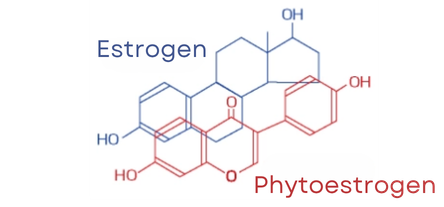
Naturally this became a concern around men’s consumption of soy as well. If these phytoestrogens could increase estrogen levels in women, it would surely do the same in men. Then began the deep dive into the study of soy.
Over the years, studies have investigated the health impact soy has on the body. What researchers found is that rats and mice process isoflavones differently from humans. It was also discovered that phytoestrogens in humans, do not increase the levels of reproductive hormones, meaning that soy is completely safe for both men and women to consume. In fact, the most recent reports suggest consuming a moderate amount (1-2 servings/day) have been shown to have added health benefits.
Soy, like other plants, contribute antioxidants to the diet that help protect cells from being damaged. While researchers have not been able to prove if soy itself reduces the risk of cancer, it does suggest that the antioxidants in soy could have a protective effect on breast, prostate and lung cells.
Additionally, soy products were found to be directly linked to lower risks for developing chronic diseases such as diabetes, heart disease, osteoporosis, and hypertension.
In the end, do what suits you best with soy foods. Eat these foods if you enjoy them, and if not, skip them altogether. There are plenty of other plant-based foods that can provide adequate antioxidants to your diet.
